Have you noticed your grocery bill getting higher every month?
You’re not alone.

Many families are spending more on food than ever before. The good news is that saving money doesn’t have to mean eating smaller meals or giving up healthy foods. With a few smart habits, you can stretch your grocery budget while still enjoying delicious, nutritious meals.
The secret isn’t buying less food—it’s making better use of the food you already have.
Why Grocery Bills Keep Growing
Many people believe rising food prices are the only reason they spend more at the supermarket. While prices do play a role, everyday habits can also increase your grocery bill.
Common money-wasting habits include:
- Shopping without a grocery list.
- Buying ingredients you already have.
- Throwing away spoiled food.
- Cooking more than you can eat.
- Forgetting leftovers in the fridge.
Changing these habits can make a noticeable difference over time.
7 Smart Food Savings Tips
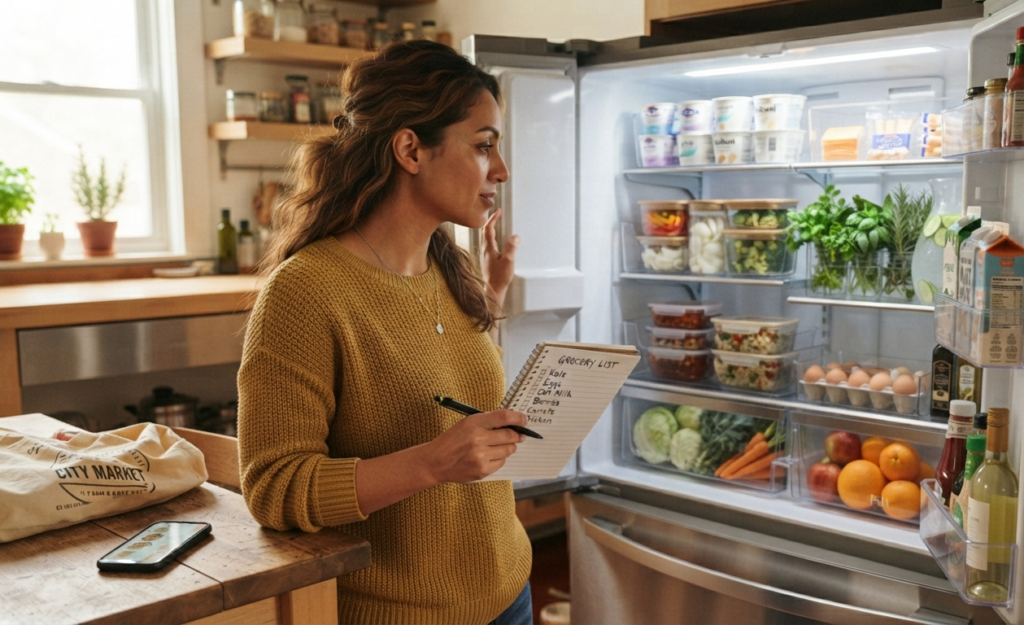
1. Check Your Fridge Before Shopping
Before making your grocery list, look through your fridge, freezer, and pantry.
You may already have enough ingredients to prepare several meals.
This simple habit helps you avoid buying duplicates and reduces food waste.
2. Plan Your Meals
Meal planning saves both time and money.
Plan your meals for the week based on the ingredients you already have, then buy only the items you need.
3. Shop with a List
A shopping list helps you stay focused and avoid impulse purchases.
Buying only what you need is one of the easiest ways to control your grocery budget.
4. Turn Leftovers into New Meals
Yesterday’s dinner can become today’s lunch.
Transform leftover rice into fried rice, cooked chicken into wraps, or roasted vegetables into soup.
Every leftover is an opportunity to save money.
5. Buy Seasonal Produce
Seasonal fruits and vegetables are often fresher, tastier, and more affordable.
They also add variety to your meals throughout the year.
6. Store Food Properly
Proper storage keeps food fresh for longer.
Use airtight containers, refrigerate leftovers promptly, and freeze extra portions that you won’t eat within a few days.
7. Make Every Ingredient Count
Before throwing anything away, ask yourself:
“Can I use this in another meal?”
Many ingredients can be transformed into soups, casseroles, salads, sauces, or smoothies.
Small Habits Create Big Savings
Saving money on groceries isn’t about making one big change.
It’s about making small, consistent choices every day.
Checking your fridge before shopping.
Planning your meals.
Using leftovers creatively.
Avoiding unnecessary purchases.
Over time, these habits can help you reduce food waste, lower your grocery bill, and make cooking less stressful.
Your Kitchen Can Save You Money
Your kitchen is more powerful than you think.
Every ingredient you use instead of wasting is money you’ve kept in your pocket.
Every planned meal saves you another trip to the supermarket.
Every leftover transformed into a new dish helps stretch your grocery budget.
You don’t need a bigger grocery budget.
You need a smarter kitchen strategy.
Final Thoughts
Saving money on groceries doesn’t require complicated systems or expensive products.
Start with the food you already have.
Plan before you shop.

Use what you buy.
Waste less.
These simple habits can help you enjoy delicious meals while keeping more money in your budget.
Ready to Waste Less and Save More?
Ready to stop wasting food and start saving money? Discover the Fridge-to-Feast guide and learn how to transform everyday ingredients into delicious meals, reduce food waste, and make every grocery trip count. Get your copy today.

